College isn’t for everyone. If you want to make six figures without drowning in student loans, you need to look at the Skilled Trades. Electricians and HVAC technicians are in massive demand.
As older tradespeople retire, a “skills gap” has created a bidding war for young talent. You can often get paid to learn through an apprenticeship rather than paying tuition.
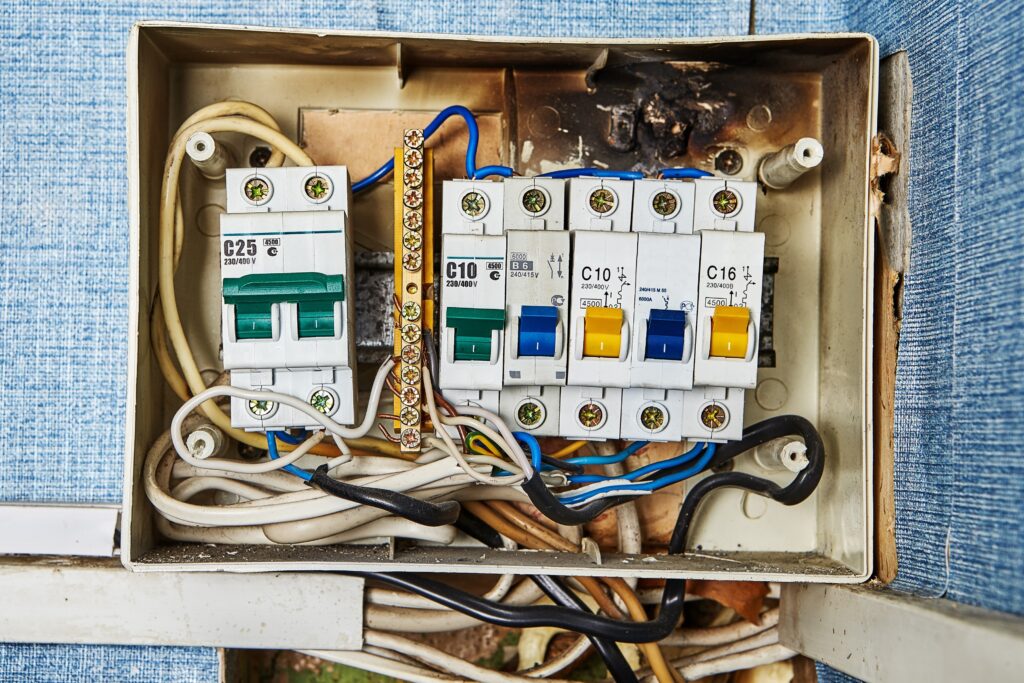
Shutterstock
HVAC vs. Electrician: Which is Better?
Both trades are excellent, but they suit different personalities.
Electrician (The “Sparky”)
- The Work: Installing wiring, troubleshooting circuits, and working with high voltage.
- Pay: Generally higher than HVAC. Top earners make $100k+.
- Physicality: Less heavy lifting, but lots of ladder work and fine motor skills.
- Risk: Danger of electrocution requires strict safety focus.
HVAC Technician
- The Work: Heating, Ventilation, and Air Conditioning. You fix furnaces in winter and ACs in summer.
- Pay: Very strong, especially with overtime during peak seasons.
- Stability: Recession-proof. People will always need heat and cooling.
- Sales: Service techs often get commissions for selling new units.
How to Start: Trade School vs. Apprenticeship
You have two main paths to get certified.
1. Trade School (Technical College)
- Duration: 6 to 18 months.
- Cost: $5,000 – $15,000.
- Pros: You graduate with a certificate and deep knowledge. It makes finding that first job easier.
- Top Schools: Lincoln Tech, UTI, and local community colleges.
2. Union Apprenticeship (IBEW / UA)
- Duration: 4 to 5 years.
- Cost: $0 (You are paid to work).
- Pros: “Earn while you learn.” You get guaranteed raises every year.
- Cons: Highly competitive to get in.
Salary Comparison Table
Real earning potential for licensed journeymen.
| Trade | Entry-Level Pay | Experienced Pay | Master Level Pay |
| Electrician | $45,000 | $75,000 | $110,000+ |
| HVAC Tech | $42,000 | $68,000 | $95,000+ |
| Plumber | $45,000 | $72,000 | $105,000+ |
Certifications That Boost Pay
To get the top CPM rates for your labor, you need specific cards in your wallet.
- EPA 608 Certification: Mandatory for anyone handling refrigerants (HVAC).
- National Electrical Code (NEC) Mastery: Essential for electricians.
- OSHA 30: Safety certification that makes you hireable by big construction firms.
The Verdict
If you like solving puzzles and want the highest pay, go Electrician. If you like mechanics and want the potential for sales commissions, go HVAC.
Stop waiting. Local unions and trade schools are recruiting now. Find a program near you and start building a career with your hands.